All-on-6 Method
About All-on-6 Method
What is the All-on-6 method?
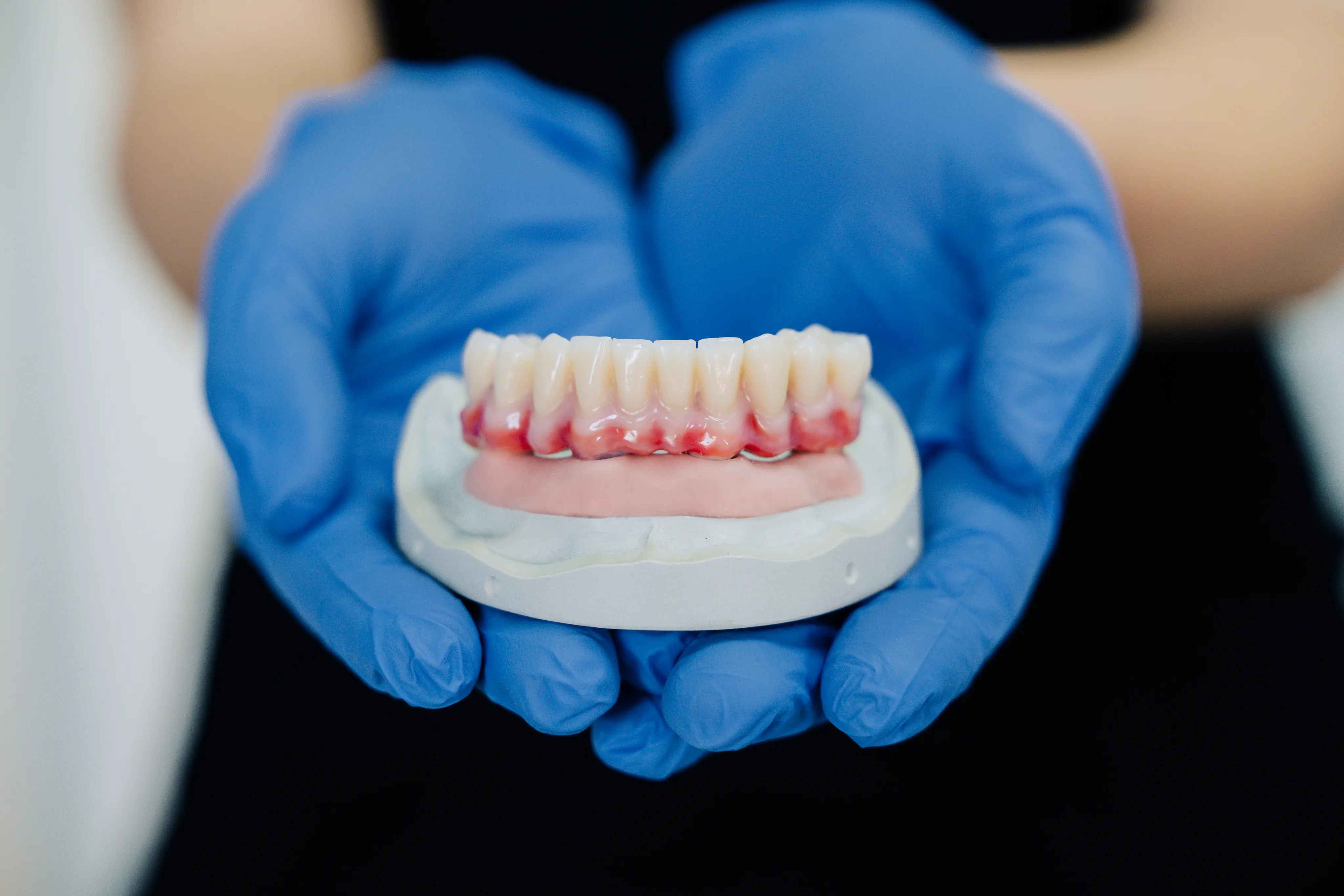
All-on-6 represents a dental procedure in which six implants are placed in the upper or lower jaw for the production of fixed dental prostheses, which provides additional stability compared to the All-on-4 method. This method is suitable for patients who have lost all their teeth and have enough bone in the jaw to support additional implants, achieving even greater stability and longevity.
What is the All-on-6 method?
How does the All-on-6 method work?
The procedure is performed in one visit under local anesthesia, and the patient receives temporary teeth immediately after the procedure. After the healing period, implants become a stable foundation for permanent prosthetic work, which enables natural appearance and full tooth functionality.
How does the All-on-6 method work?
ADVANTAGES
Advantages of All-on-6 Method
Greater stability
Given that six implants are used, the teeth are even more stable and provide additional security to the patient.
Greater stability
Given that six implants are used, the teeth are even more stable and provide additional security to the patient.
Fast recovery
Patients recover quickly and can use new teeth shortly after the procedure.
Fast recovery
Patients recover quickly and can use new teeth shortly after the procedure.
Aesthetics and functionality
Like All-on-4, this method enables the creation of functional and natural teeth that are indistinguishable from natural ones.
Aesthetics and functionality
Like All-on-4, this method enables the creation of functional and natural teeth that are indistinguishable from natural ones.
Ideal for patients with greater bone loss
This method is suitable for patients with greater bone damage, as additional implants enable better load distribution.
Ideal for patients with greater bone loss
This method is suitable for patients with greater bone damage, as additional implants enable better load distribution.
CANDIDATES

Who are candidates for All-on-6 method?
Patients with complete tooth loss in one or both jaws
Patients who want additional stability and security in the implant placement process
People who want the most modern method for complete jaw restoration
Patients with better bone quality who want an even more permanent solution
Who are candidates for All-on-6 method?
Patients with complete tooth loss in one or both jaws
Patients who want additional stability and security in the implant placement process
People who want the most modern method for complete jaw restoration
Patients with better bone quality who want an even more permanent solution
FAQ
Frequently asked questions:
Is the All-on-6 method painful?
Similar to All-on-4, the All-on-6 method is performed under local anesthesia, so patients do not feel pain during the procedure. Recovery is fast with minimal discomfort.
How long does recovery take?
Recovery takes several days, and patients usually return to normal activities quickly.
How long does the procedure itself take?
The procedure usually takes between 1.5h and 2h per jaw.
How long do implants last?
With proper hygiene and regular check-ups, implants can last more than 15 years.
What is the difference between All-on-4 and All-on-6?
The All-on-6 method uses six implants for greater stability and evenly distributed load, while All-on-4 uses four implants and is suitable for patients with less bone mass, without the need for additional procedures.
FAQ
Frequently asked questions:
Is the All-on-6 method painful?
Similar to All-on-4, the All-on-6 method is performed under local anesthesia, so patients do not feel pain during the procedure. Recovery is fast with minimal discomfort.
How long does recovery take?
Recovery takes several days, and patients usually return to normal activities quickly.
How long does the procedure itself take?
The procedure usually takes between 1.5h and 2h per jaw.
How long do implants last?
With proper hygiene and regular check-ups, implants can last more than 15 years.
What is the difference between All-on-4 and All-on-6?
The All-on-6 method uses six implants for greater stability and evenly distributed load, while All-on-4 uses four implants and is suitable for patients with less bone mass, without the need for additional procedures.